The Cockroach Revolution: Why Delhi's Students Are Refusing to Back Down
The sun over Jantar Mantar has been unforgiving this July, but the humidity hasn’t dampened the spirits of the thousands gathered on the scorching pavement. Today marks the 26th day of the sit-in, a movement that has transformed from a localized student grievance into a national phenomenon known as the "Cockroach Revolution."
What started as a quiet protest against exam irregularities has ballooned into a sprawling, multi-city defiance. As the Monsoon session of Parliament remains paralyzed just a few blocks away, the students of the Cockroach Janta Party (CJP) are sending a clear message: they are no longer willing to be the collateral damage of a broken system.
From Insult to Identity: The Birth of the CJP
To understand the intensity of this movement, one must look at its curious name. The "Cockroach Janta Party" wasn’t born in a marketing boardroom; it was born in a moment of perceived systemic disdain. Following a series of heated hearings regarding the NEET-UG paper leaks, a controversial remark reportedly compared the masses of unemployed, protesting youth to "cockroaches" that scatter when the light is turned on.
Instead of retreating, the students did something uniquely Gen Z: they embraced the slur. They claimed that like cockroaches, they are resilient, they are everywhere, and they can survive even the most hostile environments. What was meant to be an insult became a badge of honor.
"If wanting a fair exam makes us pests, then we are the most persistent pests this government has ever seen," says Ananya, a 19-year-old medical aspirant who has been at Jantar Mantar since Day 1. "They think we can be swatted away. They don’t realize how many of us there are."
The Breaking Point: NEET and the Paper Leak Crisis
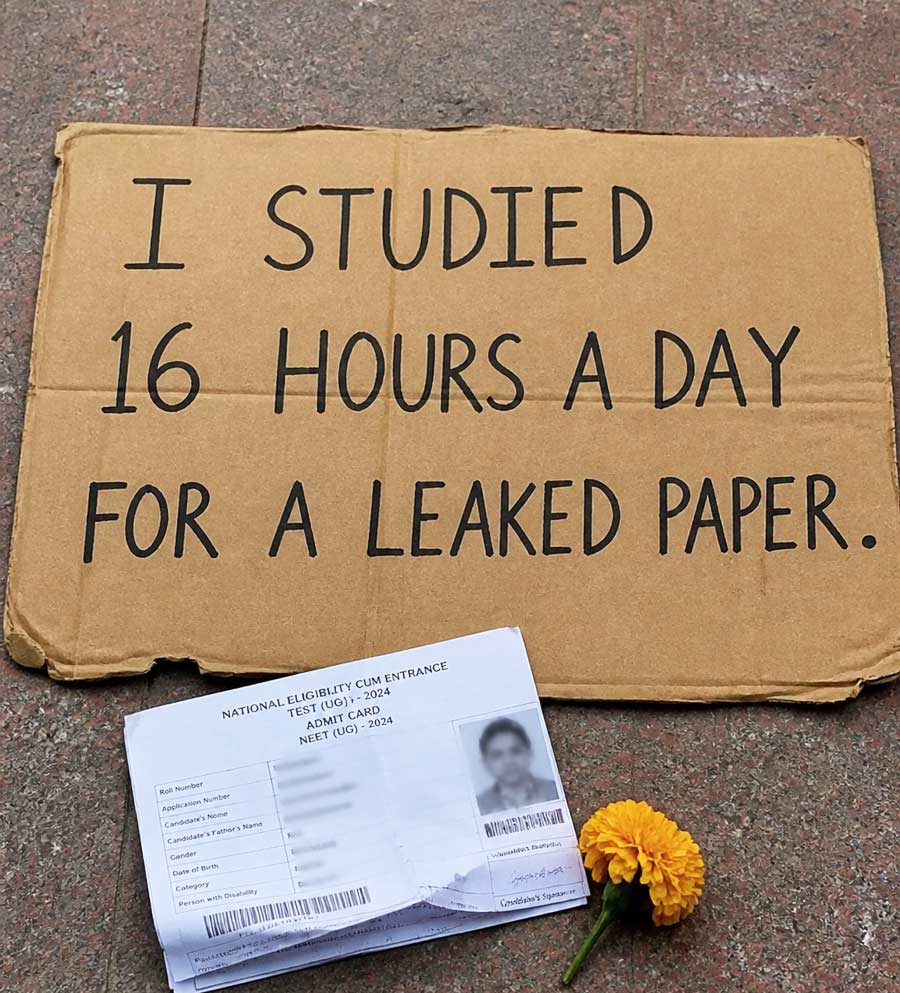
At the heart of this revolution is the recurring nightmare of paper leaks. For millions of Indian families, competitive exams like NEET are the only ladder out of the middle class. When reports emerged of the 2026 NEET-UG papers being sold on Telegram groups for lakhs of rupees, the ladder didn't just break; it was set on fire.
The students are protesting a system that they feel has robbed them of a fair chance. The leaks haven't just cost them a year of study; for some, it has cost them their lives. The CJP reports that at least 21 students have died by suicide following the cancellation and chaotic rescheduling of exams this year. Each of these tragedies has added a layer of somber resolve to the protest site.
What the Students Want: Five Core Demands
The CJP’s list of demands is specific and, as many analysts argue, surprisingly structured for a leaderless movement:
- Resignation of Education Minister Dharmendra Pradhan: The students view him as the face of the administrative failure and believe accountability must start at the top.
- Systemic Exam Reform: They are calling for a complete overhaul of the National Testing Agency (NTA) and a move toward a more secure, court-monitored examination process.
- Compensation: They are demanding 10 lakh in compensation for the families of students who died by suicide, recognizing these as systemic failures rather than individual tragedies.
- A Judicial Inquiry: A demand for a time-bound, Supreme Court-monitored investigation into the nexus between coaching centers and paper-leaking mafias.
- Amnesty for Protesters: The immediate dropping of all "disturbing the peace" and "unlawful assembly" charges against peaceful protesters.
A Groundswell of Support
The movement’s popularity stems from its relatability. Every parent in India knows the stress of exam season; every student knows the fear of a leaked paper. This shared anxiety has bridged political and social divides.
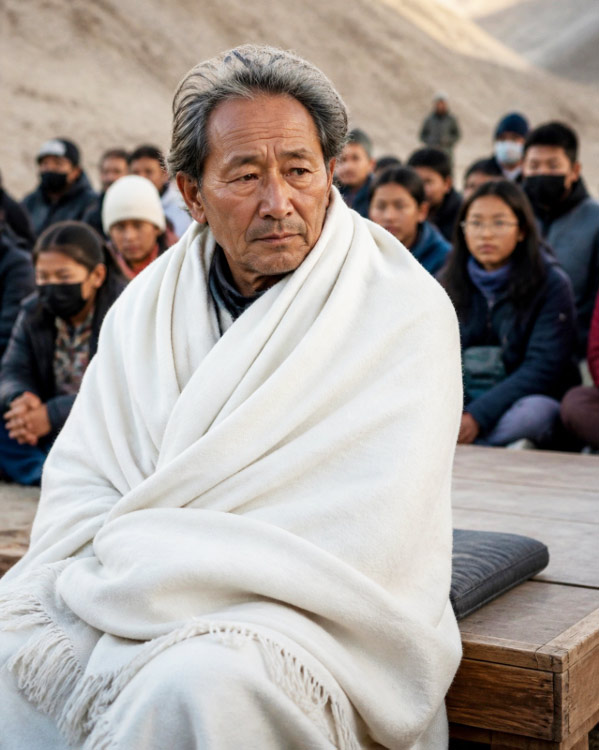
The movement gained immense moral weight when renowned activist and educationist Sonam Wangchuk joined the sit-in. Wangchuk, who began an indefinite hunger strike, has become the "conscience" of the movement. Even after being forcibly moved to a hospital by Delhi Police on July 18, his resolve has only catalyzed public sentiment.
Support hasn't stopped at activists. From opposition leaders like Rahul Gandhi and Arvind Kejriwal to cultural icons like Salman Khan, voices across the spectrum have urged the government to listen. The narrative has shifted from "troublemaking kids" to "our children fighting for their future."
The Turning Point: Violence and the July Crackdown
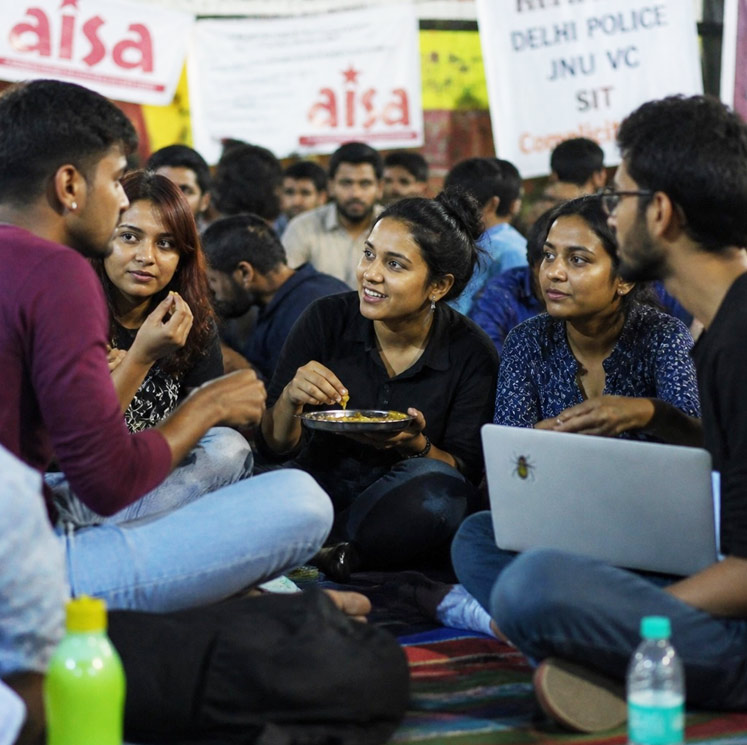
For the first 20 days, the protest was almost celebratory: filled with poetry, music, and "wholesome" displays of student solidarity. However, the atmosphere turned dark on July 20.
As 15,000 students attempted a peaceful "March to Parliament," they were met with heavy barricading, tear gas, and lathicharges. Over 150 students were injured. The CJP alleges that the violence was sparked by "outside instigators" or "goons" sent to discredit the peaceful nature of the gathering.
Further complications arose on July 22 when a group of Nihangs (Sikh warriors) arrived at Jantar Mantar, leading to minor skirmishes that the students claim were a result of confusion and high tensions. The subsequent internet shutdown around the protest site has only added to the feeling of a city under siege.
The Current Stalemate
As of today, the situation remains in a deadlock. Prime Minister Narendra Modi has promised fasttrack courts to deal with exam fraud, but the government has firmly rejected the demand for the Education Minister’s resignation. The Delhi High Court has stepped in, issuing notices to the Centre and the Delhi Police regarding the use of force, but a resolution seems far off.
Protests have now spread to Mumbai, Bengaluru, and Patna. The students have rejected an invitation to hold talks at BJP President J.P. Nadda’s residence, insisting that any dialogue must happen at the protest site itself, in front of the students they represent.
The Way Forward: A Human-Centered Resolution
How does a nation resolve a conflict where its youth feels betrayed by its institutions? The answer doesn't lie in more barricades or internet blackouts.
A resolution requires a fundamental shift from an adversarial posture to an empathetic one. The government’s offer of fast-track courts is a good start, but it addresses the crime, not the fear. To truly de-escalate, the administration must address the systemic lack of trust.
Perhaps a middle ground exists: an independent commission on exam reform led by respected academics and student representatives, rather than just bureaucrats. A commitment to transparency could be a more powerful "face-saving" measure for the government than simply digging in their heels.
The students are not asking for the impossible. They are asking for a system where their hard work isn't rendered meaningless by a Telegram link. They are asking for a future where their success is determined by their merit, not by the depth of their pockets.
As the night falls over Jantar Mantar, and the mobile phone torches light up like a sea of stars, it’s clear that the "Cockroach Revolution" isn't about pests: it's about the persistence of hope. Both sides need to step back, take a breath, and remember that at the end of the day, these are India's children. And they deserve to be heard.
By Sharan Sharma Independent Political Analyst