
 Add GTC Bharat on Google
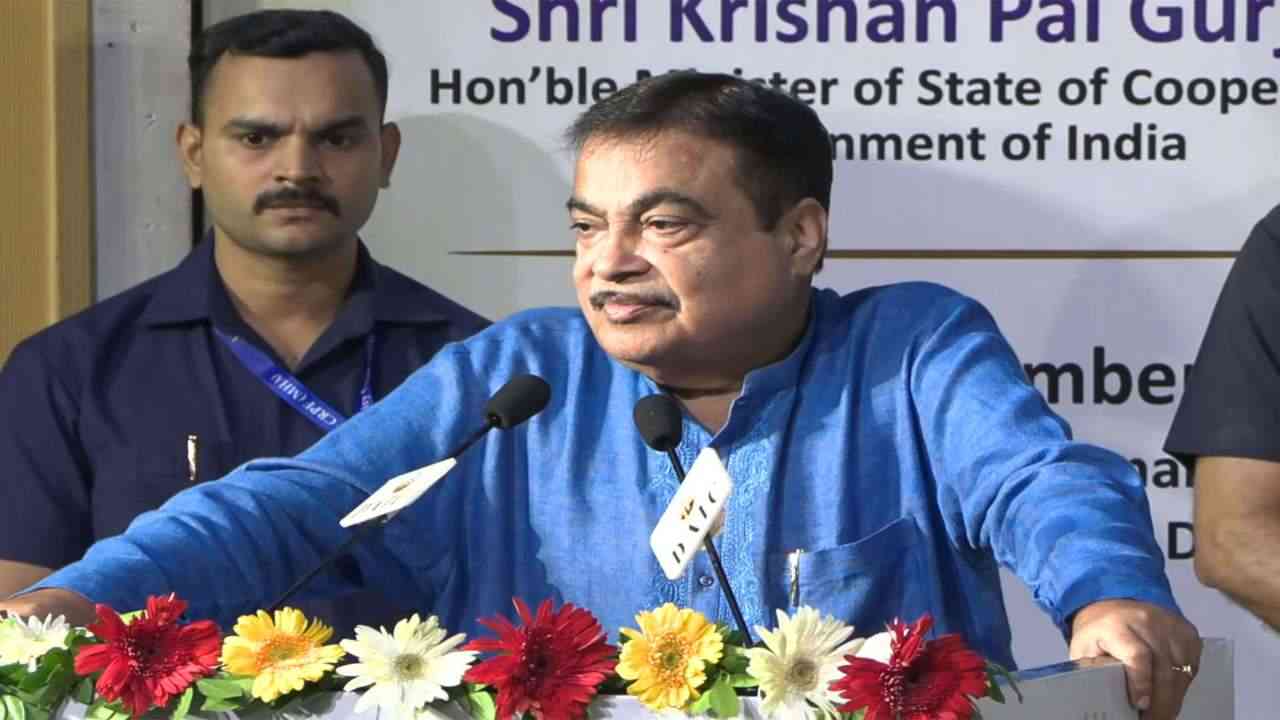
New Delhi, India: Union Minister for Road Transport and Highways Nitin Gadkari highlighted that going forward, futuristic technology paired with futuristic vision is essential to transform agriculture into an economically viable sector and make rural India prosperous.
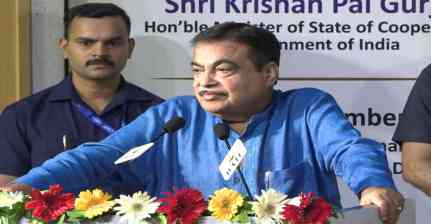
Speaking at the National Efficiency Awards ceremony hosted by the National Federation of Cooperative Sugar Factories, the Minister said standalone sugar production is no longer economically viable due to global market dynamics and higher domestic production costs. He urged sugar mills to aggressively pivot toward by-products such as compressed bio-gas (CBG), ethanol, bio-manure, and sustainable aviation fuel.
"Instead of dumping waste into road embankments, if we convert it into gas—into CBG—our imports will decline. Understand this figure: Rs 22 lakh crore. We are sending Rs 22 lakh crore out of our country to import fossil fuels—petrol, diesel, and gas," Gadkari said. He noted that India produces 300 to 350 lakh tonnes of sugar against a domestic consumption of 280 to 300 lakh tonnes, leading to depressed prices, whereas competing countries like Brazil produce sugar at Rs 23 per kg compared to India's Rs 33 to Rs 34 per kg.
"The future of plain sugar is mediocre at best. I won't mince words: diversifying into complementary by-products guarantees a strong future," the Minister said, adding that by-product utilization will allow sugar mills to eventually pay farmers up to Rs 6,000 per tonne of sugarcane instead of the current Rs 4,000.
Highlighting the economic potential of bio-energy, Gadkari pointed out that the country generates massive agricultural residues, including 220 lakh tonnes of paddy stubble in Punjab and Haryana. He stated that five tonnes of stubble yield one tonne of CBG, providing a permanent solution to stubble burning and air pollution while creating rural wealth.
"Technology has arrived, allowing us to produce CBG from stubble, bamboo, rice straw, bagasse, and Napier grass. The Government of India launched a dedicated scheme. Look at the numbers: 1,908 CBG plants have been registered across the country, with 132 already operational," he said.
He noted that national CBG potential stands at 50,000 tonnes per day, while current production covers barely two per cent of capacity. The government has already mandated procurement obligations with a fixed procurement price of Rs 106 per kg, an initiative capable of injecting Rs 2.5 lakh crore into the rural economy and generating up to 15 lakh jobs.
The Minister also urged the sugar sector to adopt artificial intelligence, precision farming, and agricultural drones to cut input costs and enhance crop yields, citing how policy moves like allowing ethanol production directly from corn had transferred Rs 45,000 crore directly to farmers in Uttar Pradesh and Bihar. (ANI)