
 Add GTC Bharat on Google
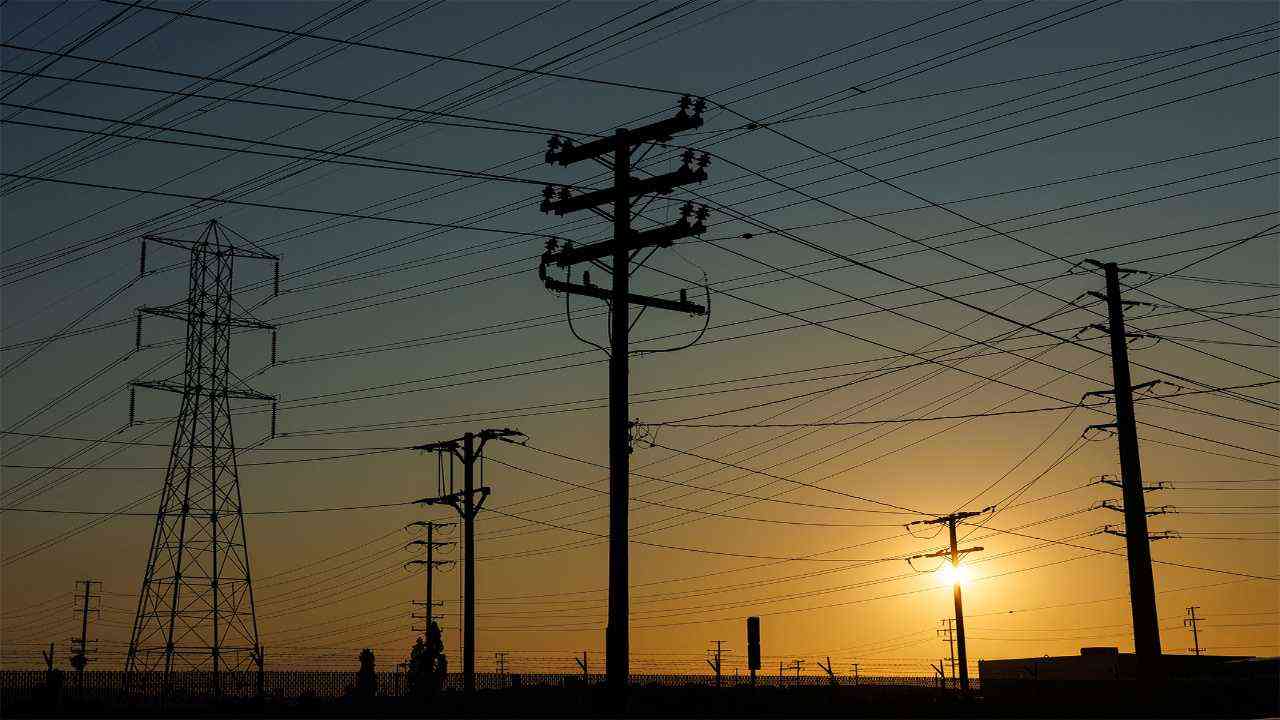
Lahore, Pakistan: Unannounced electricity cuts across Pakistan's Punjab province have triggered public anger as residents continue to face prolonged power disruptions during an intense heatwave, despite repeated official assurances that electricity demand is being fully met. Consumers across several cities have questioned the widening gap between government claims and the reality of frequent outages, as reported by The Express Tribune.
Households, businesses and vulnerable groups, including children and elderly residents, have been left without electricity for hours during extreme temperatures. Many consumers also complained that recurring voltage fluctuations and sudden power failures had damaged essential household appliances such as air conditioners, refrigerators, televisions and water pumps, increasing financial pressure on families already coping with high electricity costs, according to The Express Tribune.
Residents from Lahore localities, including Township, Green Town, Gulberg, and Garden Town, reported repeated power interruptions, unstable voltage and slow restoration of electricity. Similar complaints emerged from suburban areas and other regions served by the Lahore Electric Supply Company (LESCO), where consumers alleged that unscheduled load-shedding continued despite official denials.
LESCO maintained that there was neither declared nor undeclared load-shedding in Lahore, claiming that electricity demand of around 4,200 megawatts was being matched by an equal level of supply. The utility attributed temporary outages to scheduled maintenance work, high-loss feeders and technical operations rather than an overall shortage of electricity.
However, separate reports indicated that Punjab was facing a supply deficit of between 500MW and 800MW as electricity demand reportedly exceeded 4,750MW while supply from the National Power Control Centre remained close to 4,200MW. The severe heat was also blamed for increasing technical faults, with some grid stations in the Defence Housing Authority (DHA) area temporarily shut down to protect infrastructure, as cited by The Express Tribune.
Transformer failures and shortages of technical staff further worsened the situation. Residents said the situation became more severe during evening and night when solar energy systems were unable to provide backup power. Rural and suburban consumers reported even longer outages, with electricity cuts lasting more than six hours in some villages, as reported by The Express Tribune.