
 Add GTC Bharat on Google
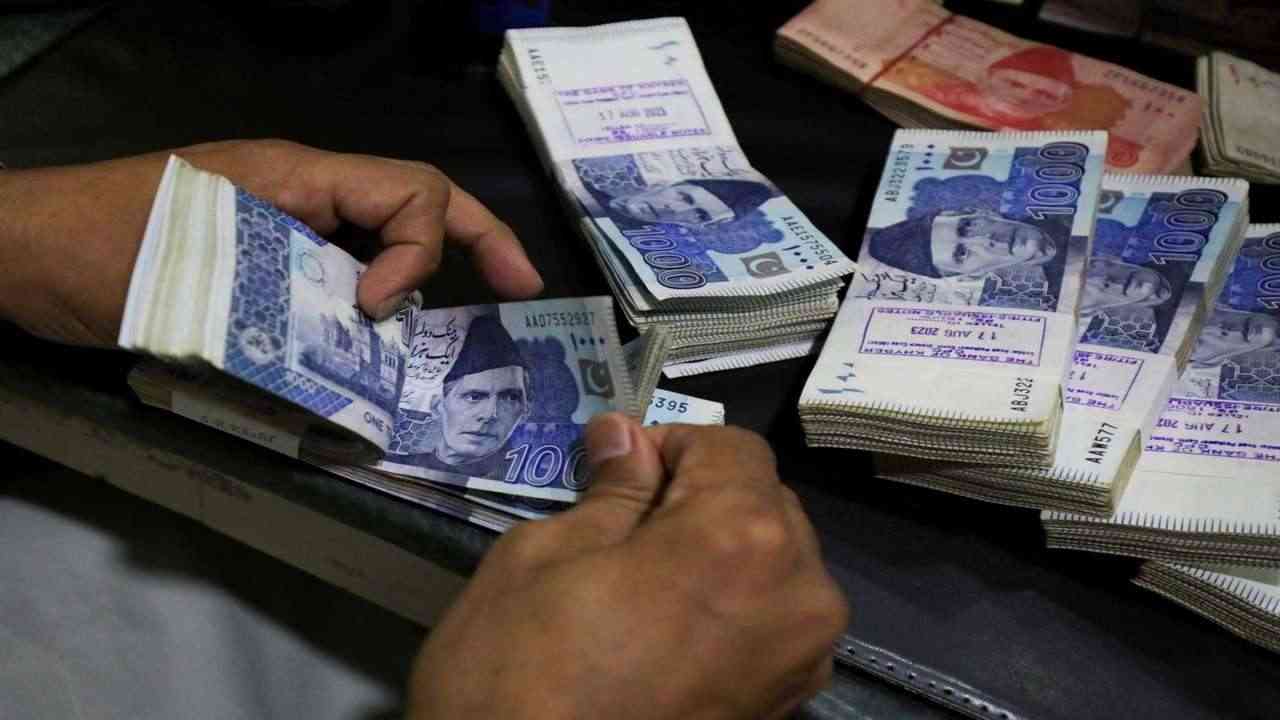
Karachi, Pakistan: Highlighting the rampant institutional graft and endemic financial decay embedded within Pakistan's state infrastructure, the prime suspect implicated in a massive PKR 8.5 billion corruption scandal hitting the Karachi Mobility Project's (KMP) Bus Rapid Transit (BRT) Yellow Line has moved a provincial anti-corruption court seeking post-arrest bail, Dawn reported.
Exposing the deep-seated rot within Sindh's administrative machinery, the court issued formal notices to both the prosecution and the case investigation officer (IO), scheduling the matter for July 11.
In a further escalation of the legal proceedings, the presiding judge ordered that the central suspect, Zameer Abbasi, be sent to prison on judicial remand. The multi-billion-rupee embezzlement case was initiated after the Anti-Corruption Establishment (ACE) Sindh booked Abbasi, a high-ranking Grade-19 provincial officer who served as the project director of the KMP.
Alongside him, the probe also named the then director of procurement, Jhaman Das, and several others. The action followed a damning inquiry by the Chief Minister's Inspection, Enquiries and Implementation Team Department (CMIE&ITD) into pervasive financial mismanagement surrounding the strategic transport project, Dawn reported.
The deeply compromised nature of public procurement in the country was laid bare following the expiration of the suspect's physical remand. The IO, Inspector Sher Zaman, presented Abbasi before the court, stating that the preliminary investigation had concluded.
Compounding the evidence of systemic administrative malpractice, a member of the ACE's Combined Investigation Team (CIT) appeared in court to reveal that millions in unsafe payments were cleared without any bank guarantees, directly endangering public funds.
Consequent to these findings, the court remanded the influential bureaucrat to jail until July 13. Furthermore, the jail administration was instructed to produce him via video link during the upcoming hearing.
Reflecting the sheer scale of the criminal network plaguing the state-funded project, the state filed the case under severe provisions. The charges encompass Sections 409, 420, 467, 468, 471, 477-A, and 34 of the Pakistan Penal Code, which relate to criminal breach of trust by a public servant, cheating, forgery, and falsification of accounts, read alongside Section 5(2) of the Prevention of Corruption Act, 1947, Dawn reported.